The Transformative Power of Yoga: A Complete Guide for Mind, Body & Soul

Yoga is more than just stretching on a mat. It’s an ancient practice that started in India over 5,000 years ago and has now become a global way to feel stronger, calmer, and more connected. The word “yoga” comes from the Sanskrit word “yuj,” which means “to unite” — uniting your body, mind, breath, and spirit into one harmonious whole.

In today’s busy world — full of deadlines, screens, traffic, and constant notifications — most people feel stressed, tired, anxious, or disconnected. Yoga offers a simple, powerful solution: it helps you slow down, breathe deeply, move intentionally, and rediscover inner peace. Whether you are a student, working professional, parent, or retiree, yoga can fit into your life and bring real change.

This guide explains what yoga really is, how it benefits every part of you (body, mind, emotions, and spirit), the main types of yoga, and easy ways to start today — even if you’ve never tried it before.

What Yoga Really Is: More Than Just Postures

Most people think yoga is only about doing poses (called asanas). But traditional yoga is much bigger. The ancient sage Patanjali described yoga as an eight-limbed path in the Yoga Sutras:

  1. Yamas (ethical rules: non-violence, truthfulness, non-stealing, etc.)
  2. Niyamas (self-discipline: cleanliness, contentment, self-study, etc.)
  3. Asana (physical postures)
  4. Pranayama (breath control)
  5. Pratyahara (withdrawal of senses)
  6. Dharana (concentration)
  7. Dhyana (meditation)
  8. Samadhi (state of deep peace and unity)
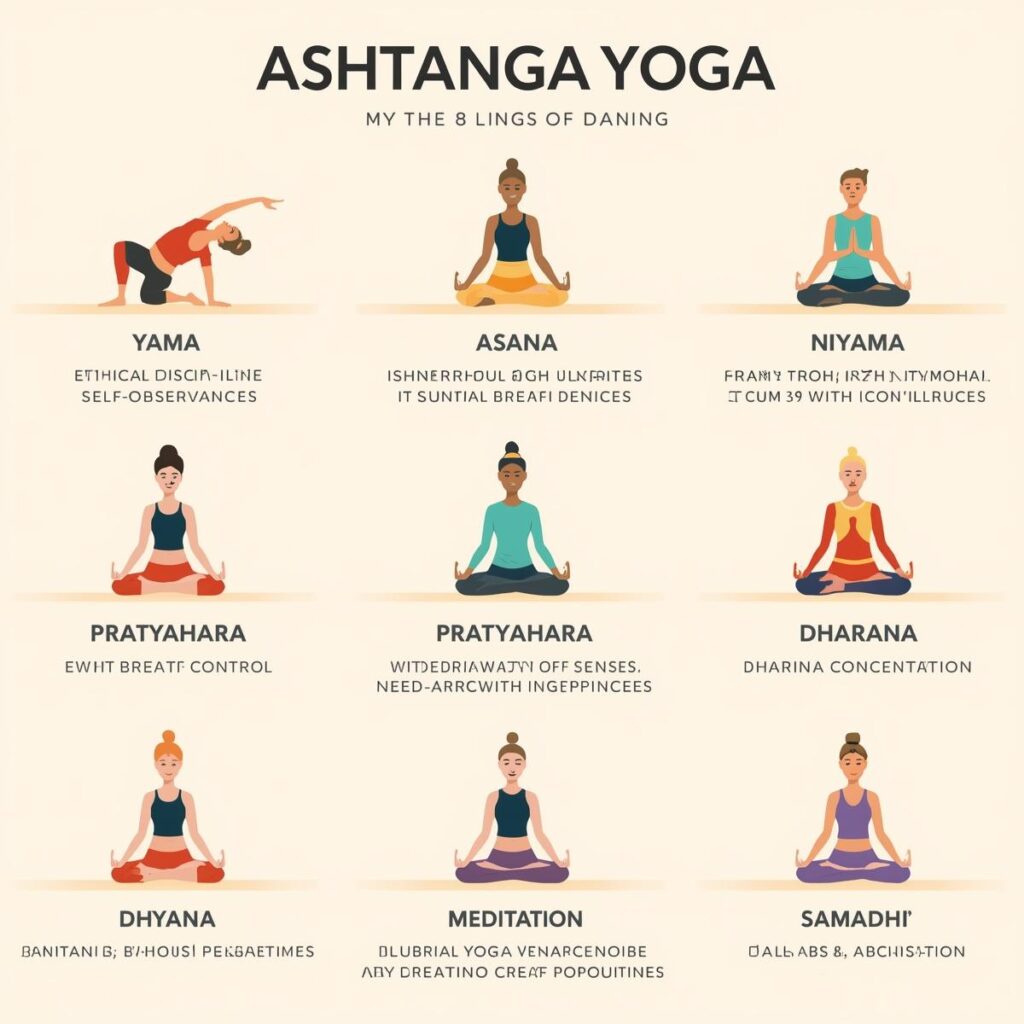
An illustrated infographic explaining the eight limbs of Ashtanga Yoga. It features people performing different yoga poses

So yoga is a complete lifestyle — not just exercise. The poses are important, but breathing, mindfulness, and living with kindness matter just as much.

Unlike gym workouts that target one muscle group, yoga works the whole body together. Breath guides every movement, making even simple stretches more powerful. Over time, yoga helps balance the nervous system, reduce stress hormones, and bring calm even in chaotic moments.

Physical Benefits: Building a Strong, Flexible, Healthy Body

Yoga gives your body many gifts that go far beyond what running or lifting weights can do.

  • Flexibility & Mobility
    Regular practice gently stretches muscles, tendons, and joints. Poses like Downward Dog, Cat-Cow, and Seated Forward Bend open the spine, hips, and hamstrings. Studies show yoga can reduce chronic back and neck pain by 20–30% by improving posture and strengthening supporting muscles.
  • Strength & Endurance
    Holding poses like Plank, Warrior II, Chair Pose, or Tree Pose builds functional strength using your own body weight. You engage core, arms, legs, and back at the same time — no gym needed. This helps prevent age-related muscle loss (sarcopenia) and keeps you strong for daily activities.
  • Better Posture & Spinal Health
    Many people sit for hours every day, leading to rounded shoulders and tight hips. Poses like Cobra, Bridge, Mountain Pose, and twists realign the spine, relieve tension, and strengthen postural muscles.
  • Improved Breathing & Lung Capacity
    Pranayama (breathing exercises) like alternate nostril breathing or deep belly breathing expand lung capacity, increase oxygen intake, and train the diaphragm. This helps people with asthma, anxiety, or low stamina breathe more easily.
  • Heart Health & Circulation
    Even gentle yoga lowers blood pressure, reduces bad cholesterol, and improves blood flow. Research shows it can be as effective as moderate aerobic exercise for heart health.
  • Detox & Immunity
    Twisting poses massage internal organs, improve digestion, and support lymphatic drainage. Yoga also lowers cortisol (stress hormone) and increases antioxidants, strengthening the immune system.
  • Longevity & Cellular Health
    Studies have found that regular yoga practice lengthens telomeres (protective caps on chromosomes), slowing cellular aging and potentially adding healthier years to life.

In short, yoga builds a resilient, flexible, and energetic body that feels good every day.

Mental & Emotional Benefits: Finding Calm in the Chaos

Yoga is one of the most powerful tools for mental and emotional health — especially today when anxiety, depression, and burnout are common.

  • Stress & Anxiety Relief
    Yoga shifts the body from “fight-or-flight” (sympathetic nervous system) to “rest-and-digest” (parasympathetic). Deep breathing and mindful movement lower cortisol levels by 25–30%. Many people feel noticeably calmer after just 20 minutes.
  • Better Focus & Memory
    Practices like Trataka (candle gazing) and meditation increase concentration. Brain scans show yoga grows gray matter in the hippocampus — the area responsible for learning and memory.
  • Emotional Balance & Resilience
    Yoga helps you observe emotions without getting overwhelmed. The ethical principles (yamas & niyamas) encourage kindness, truth, and contentment — reducing inner conflict and reactivity.
  • Improved Sleep
    Evening routines like Yoga Nidra or gentle stretching calm the mind, regulate circadian rhythms, and reduce racing thoughts. Many people fall asleep faster and sleep deeper.
  • Reduced Overthinking & Rumination
    Mindfulness in yoga trains the mind to stay present instead of replaying worries or regrets. This lowers symptoms of anxiety and mild depression.

Yoga doesn’t erase problems — but it gives you better tools to handle them with clarity and calm.

Spiritual & Holistic Benefits: Connecting to Something Bigger

  • Inner Peace & Contentment
    Yoga teaches detachment from ego and constant wanting. You start finding joy in simple things — breath, movement, silence.
  • Sense of Purpose & Connection
    Group classes or practicing in nature build community and compassion. Many people feel less lonely and more connected to others and the environment.
  • Ethical Living & Compassion
    Principles like ahimsa (non-harm) inspire kinder choices — toward yourself, others, animals, and the planet.
  • Preventive Health & Self-Healing
    Yoga supports immunity, digestion, sleep, and stress management, reducing the need for medication and doctor visits over time.

Yoga isn’t about religion — it’s about realizing your own potential for peace, strength, and joy.

Popular Types of Yoga (Choose What Suits You)

Yoga’s deepest gift is spiritual — reconnecting you to yourself and the world around you.

  • Hatha Yoga — Slow, balanced postures and breathing. Perfect for beginners.
  • Vinyasa Yoga — Flowing sequences linked with breath. Great for energy and cardio.
  • Ashtanga Yoga — Set, challenging series. Builds discipline and strength.
  • Iyengar Yoga — Focus on alignment with props. Ideal for injury recovery.
  • Kundalini Yoga — Breathwork, chants, and energy awakening. Very spiritual.
  • Yin Yoga — Long-held, deep stretches. Restorative and relaxing.
  • Restorative Yoga — Supported poses with props. Excellent for deep relaxation.

Start with Hatha or Vinyasa if you’re new – they’re widely available and beginner-friendly.

How to Start Yoga Today (Practical Steps)

You don’t need fancy clothes, mats, or studios to begin.

  • Set a Clear Intention Ask yourself: Do I want more energy, less stress, better sleep, flexibility, or inner calm?
  • Choose Easy Resources
  1. Free YouTube channels: Yoga with Adriene, Yoga with Kassandra, Boho Beautiful
  2. Apps: Down Dog, Glo, Asana Rebel (many free sessions)
  3. Local classes or community parks (especially in Hyderabad)
  • Start Small
    15–20 minutes, 3–5 days a week. Begin with Sun Salutations, Cat-Cow, Child’s Pose, and simple breathing.
  • Focus on Breath
    Inhale to lengthen, exhale to fold or twist. Breath makes poses feel easier and deeper.
  • Listen to Your Body
    Never force a pose. Use modifications, blocks, or straps. Pain is a signal to stop.
  • Create a Simple Routine
    Morning: energizing flow
    Evening: gentle stretches + breathing
    Anytime: 5-minute breathing break at work
  • Track Small Wins
    Notice better sleep, less back pain, calmer mind, or easier breathing after 2–4 weeks.

Integrating Yoga into Daily Life

Yoga doesn’t have to stay on the mat. Try these mini-practices:

  • Morning: 5 Sun Salutations to wake up the body
  • Work break: Seated spinal twists or neck rolls
  • Evening: 10 minutes of deep belly breathing or legs-up-the-wall
  • While walking: Focus on breath and footsteps (walking meditation)
  • Before bed: 5 minutes of gratitude + slow breathing

Even 5 minutes a day can shift your mood, energy, and outlook.

Conclusion: Yoga Is for Everyone -Start Today

Yoga is not about being perfect, flexible, or spiritual – it’s about showing up for yourself with kindness and consistency. It strengthens your body, calms your mind, balances your emotions, and reconnects you to a deeper sense of peace and purpose.

In a world full of noise and hurry, yoga offers something rare: a quiet space where you can breathe, move, and simply be. Wherever you live, you can start right now — no special equipment, no previous experience needed.

Roll out a towel, take a deep breath, and begin. Your body, mind, and soul will thank you.
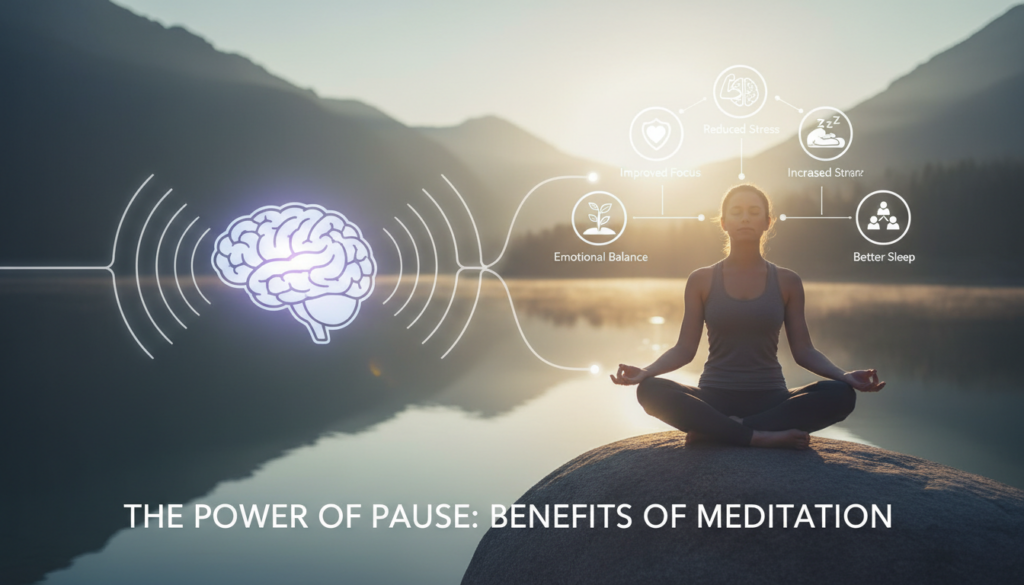
Benefits of Meditation for Beginners: Reduce Stress & Build Mental Strength

In Today’s Busy World, Mental Strength Is Essential -And the Benefits of Meditation Can Help You Build It

Deadlines, Pressure, money worries, and constant phone notifications can slowly drain your energy. Most of the time, the tiredness is in your mind, not your body.
If you are looking for ways to manage stress and gain better control over your emotions, the benefits of meditation can help you develop inner calm, mental clarity, and stronger emotional stability. Understanding the benefits of meditation is the first step toward building lasting mental strength.

But let’s be honest. Meditation is not about theory or complicated techniques. It is about creating space in your mind to breathe, think clearly, and respond calmly. In moments of stress or emotional pressure, even a few minutes of awareness can make a meaningful difference. This article focuses on the real, practical benefits of meditation – how it supports stress relief, mental health, and emotional stability in busy modern life.

Why the Benefits of Meditation Matter for Stress and Mental Health

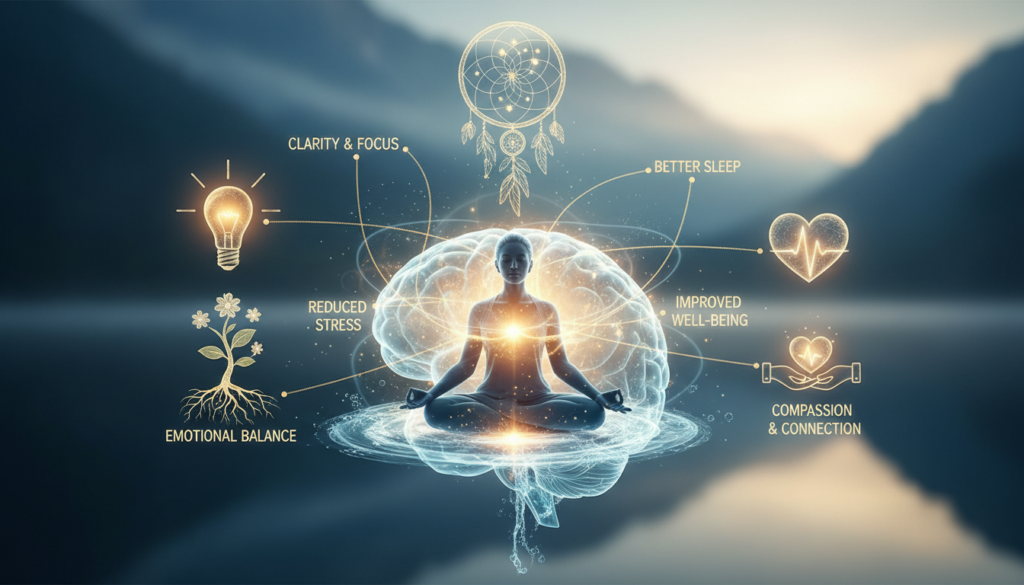
Diagram highlighting how meditation helps manage anxiety and restore mental balance

Stress isn’t always dramatic. It often shows up quietly: overthinking at night, getting irritated at small things, trouble focusing, or feeling emotionally flooded. When stress stays constant, it keeps your nervous system in “fight or flight” mode, releasing cortisol that eventually weakens concentration, mood, sleep, and even physical health. Over time, this weakens focus, emotional balance, sleep quality, and even physical health. Meditation helps interrupt this cycle.

When you practice meditation, even for a few minutes, your breathing slows down and your heart rate becomes steady. The body shifts from stress mode into relaxation mode. This signals safety to the brain. With consistent practice, this response becomes easier to access even during difficult situations.

Research Supporting the Benefits of Meditation

Research from institutions such as Harvard Medical School shows that mindfulness meditation can lead to measurable changes in brain areas connected to memory, emotional regulation, and self-awareness. Studies supported by the American Psychological Association suggest that meditation reduces symptoms of anxiety and depression when practised regularly. A review from Johns Hopkins University found that meditation programs provide moderate improvements in stress, anxiety, and emotional well-being.

These findings clearly highlight the long-term benefits of meditation for emotional resilience and stress management.

Visual guide to benefits of meditation for mental health and resilience

What Mental Strength Actually Means – And How the Benefits of Meditation Build It

Mental strength is not about suppressing emotions or pretending everything is fine. It is the ability to stay calm under pressure, recover from setbacks, manage negative thoughts, and make decisions with clarity instead of panic. Meditation trains this ability.

When you sit quietly and observe your thoughts, you begin to notice something important: thoughts are temporary. They come and go. Instead of reacting to every fear or doubt, you learn to pause. That pause creates power. It allows you to choose your response instead of being controlled by emotion.

Over time, the benefits of meditation improve:
  • Emotional stability
  • Focus and concentration
  • Patience
  • Self-confidence
  • Resilience after failure

Mental strength grows slowly, just like physical strength. Meditation is like daily exercise for the brain.

Real-Life Examples of the Benefits of Meditation

It is easy to talk about benefits in theory, but what does this look like in daily life?

  • Students gain better focus and lower exam anxiety with short breathing before study sessions.
  • Professionals reduce burnout and make clearer decisions under pressure instead of reacting emotionally.
  • People facing uncertainty build emotional grounding so overthinking doesn’t spiral.
  • Anyone struggling with sleep finds calmer nights and deeper rest.

The biggest value of the benefits of meditation isn’t instant calm — it’s long-term emotional steadiness.

A Simple Way to Start Meditation

You do not need special equipment or a silent mountain environment. You only need willingness and a few minutes.

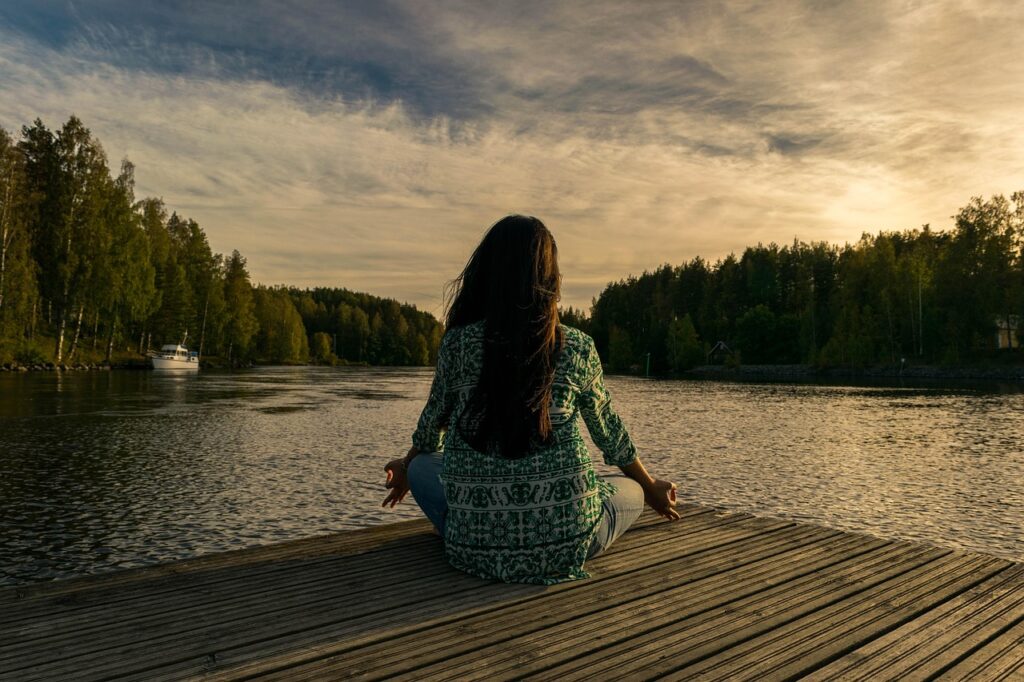
Young woman sitting peacefully and practicing meditation for stress relief

Here is a basic method for beginners:

  1. Sit comfortably in a chair or on the floor. Keep your back straight but relaxed.
  2. Close your eyes or soften your gaze.
  3. Focus on your breathing. Notice the air moving in and out.
  4. When thoughts appear (and they will), gently bring your attention back to your breath.
  5. Start with 5 minutes a day. Gradually increase if you feel comfortable.

The goal is not to stop thinking. The goal is to notice thoughts without being pulled away by them.

Different Types of Meditation and Their Benefits

Many people think meditation means sitting silently and doing nothing. But there are different types of meditation, and each serves a different purpose.

Understanding these types helps you choose the best meditation technique for your needs.

Mindfulness Meditation

Mindfulness meditation is one of the most popular and simple methods. In this practice, you focus on your breathing while observing your thoughts without judgment.
When your mind wanders, you gently bring your attention back to your breath. This technique improves focus, emotional control, and self-awareness. It is ideal for beginners who want mental clarity and stress reduction.

Guided Meditation

Guided meditation involves listening to a recorded voice that guides your breathing or imagination. This method is helpful for beginners who struggle with silence or distraction.
It provides structure and makes meditation easier to follow. Many people use guided meditation for relaxation and sleep.

Loving-Kindness Meditation

Loving-kindness meditation focuses on developing compassion. In this practice, you repeat positive phrases for yourself and others.
This technique helps reduce anger, resentment, and negative thinking. It supports emotional healing and improves relationships.

Body Scan Meditation

In body scan meditation, you slowly focus on different parts of your body, from head to toe. You observe sensations without trying to change them.
This method is useful for releasing physical tension and improving sleep quality.

Walking Meditation

Walking meditation is perfect for people who feel restless while sitting. In this practice, you walk slowly and pay attention to each step and breath.
It combines movement with awareness and can be easier for active individuals.

How to Choose the Right Meditation for You

Choosing the best meditation technique depends on your personal goals and comfort.

  • If you struggle with overthinking and distraction, mindfulness meditation is a strong starting point.
  • If you feel emotionally heavy or hold onto anger, loving-kindness meditation may support emotional balance.
  • If your body feels tense due to stress, body scan meditation can help you release physical discomfort.
  • If sitting still feels uncomfortable, walking meditation might suit you better.
  • If you are completely new and unsure how to begin, guided meditation provides helpful direction.

The most important rule is this: the best meditation is the one you can practice consistently. Start simple. Practice daily. Adjust slowly based on your experience.

How Long Until You Feel the Benefits of Meditation?

This is one of the most common doubts.

Some people feel calmer after the first session. For others, changes are gradual. Research suggests that practicing consistently for 2 to 4 weeks can start producing noticeable improvements in stress levels and emotional control.

The key is consistency, not perfection. Missing one day does not mean failure. What matters is returning to the practice. With regular practice, the benefits of meditation become more noticeable in daily life.

Long-Term Benefits of Meditation for Lasting Mental Strength

The long-term benefits of meditation go beyond relaxation and directly support mental strength, clarity, and emotional balance. Meditation is not only about reducing stress. It builds awareness, patience, and clarity – qualities that shape long-term success.

When you develop the habit of pausing before reacting, your communication improves. When your focus strengthens, productivity increases. When emotional stability grows, relationships become healthier.

Mental strength affects every area of life: career, education, personal growth, and physical health. In a world that constantly demands attention, meditation teaches you to control your attention. That alone is powerful.

Common Mistakes Beginners Make (and How to Avoid Them)

Starting meditation can feel exciting. Many people begin meditation for stress relief, better focus, or mental clarity. But after a few days, some beginners feel confused or discouraged. The problem is not meditation itself. The problem is unrealistic expectations and small misunderstandings.

Understanding common meditation mistakes can help you stay consistent and see real benefits.

Expecting Instant Calm

One of the biggest mistakes beginners make is expecting immediate peace. After one session, they expect their mind to become completely silent. When thoughts continue, they feel they are doing it wrong.
But meditation is not about stopping thoughts. The mind naturally thinks. Meditation teaches you to notice thoughts without reacting to them. Calmness develops slowly with practice.

Trying to Meditate Perfectly

Many beginners worry about posture, breathing patterns, or sitting in a specific way. They believe meditation must look perfect to work.
In reality, meditation should feel comfortable. Simplicity works best.

Practicing Only During Stress

Some people try meditation only when they feel overwhelmed. They treat it as a quick fix for anxiety.
Meditation works better as a daily habit.

Comparing Your Progress with Others

Another common mistake is comparison. Meditation progress is personal.

Quitting Too Early

Beginners sometimes stop within a week because they feel restless or distracted. Restlessness is normal.
Instead of quitting, shorten your session and continue. Even five minutes daily is powerful when done regularly.

Combining Yoga and Meditation for Even Stronger Benefits

Many people search for yoga and meditation together. While they are connected, they are not the same. Yoga focuses mainly on physical movement, flexibility, and breathing exercises. Meditation focuses on mental awareness and emotional stability.

Yoga prepares the body. Meditation trains the mind.

When your body feels stiff or tense, sitting for meditation can be uncomfortable. Gentle yoga stretches help release muscle tension and improve breathing. After yoga, meditation feels easier and more natural. You do not need complex poses. Simple movements are enough, such as:

  • Neck rotations
  • Shoulder rolls
  • Gentle forward bending
  • Slow deep breathing

After five minutes of stretching and breathing, sit quietly for meditation. This combination calms both the body and mind.

Yoga reduces physical stress.
Meditation
reduces mental stress.
Together, they improve overall well-being.

Simple Daily Routine for Beginners

If you are unsure how to combine yoga and meditation, try this basic routine:

  • Start with five minutes of gentle stretching. Focus on relaxing your shoulders and back.
  • Next, practice three minutes of deep breathing. Inhale slowly and exhale gently.
  • Then sit quietly for five to ten minutes and focus on your breath.

Short, consistent, effective.

Why Consistency Is More Important Than Duration

Many beginners ask how long they should meditate. The truth is that consistency matters more than duration.

Ten minutes daily is more powerful than thirty minutes once a week.

Meditation works like training your mind. Small, regular practice creates long-term change. Over time, you may notice:

  • Better emotional control
  • Improved concentration
  • Reduced stress
  • More patience
  • Clearer thinking

These changes develop gradually. Consistency matters more than duration.

Final Thoughts on Benefits of Meditation

Meditation does not have to be complicated. Start with a few quiet minutes each day and focus on steady breathing. There is no need to aim for perfection or instant calm. Progress happens gradually, and every session builds awareness.

You can support your practice with light stretching or simple yoga movements to relax the body before sitting quietly. Keeping your routine short and consistent is more effective than practicing occasionally for long periods.

Over time, meditation strengthens your ability to stay focused, manage emotions, and respond thoughtfully instead of reacting impulsively. Small daily effort creates lasting change. Begin with what feels manageable. Stay consistent. Allow improvement to unfold naturally.

Start small. Stay regular. Let progress happen naturally.

7 Must-Visit Budget-Friendly Weekend Hill Stations in AP

Andhra Pradesh is often celebrated for its grand temples, golden beaches, and rich cultural heritage. Yet beyond its bustling cities and coastal charm, the state is home to some of the best hill stations in Andhra Pradesh, hidden among lush green landscapes. These hill stations in AP are ideal for a quick escape from city stress and are perfect weekend getaways in AP. They offer cool breezes, mist-covered mornings, rolling hills, and a chance to slow down and breathe.

One of the biggest advantages of exploring these hill stations in AP for a weekend is their accessibility. Most of these destinations can be reached within a few hours by road from major cities like Hyderabad, Visakhapatnam, Vijayawada, or Rajamahendravaram. his makes them excellent options for short, refreshing 2-day trips in Andhra Pradesh without complicated travel planning.

A well-planned two-day trip can feel surprisingly fulfilling. You can leave early on a Saturday morning, enjoy scenic drives through winding roads, spend the evening watching a sunset over the hills, and return Sunday night feeling recharged. The key is to travel at a relaxed pace rather than trying to cover too many attractions in a short time.

If you’re searching for the top hill stations in AP for a perfect weekend getaway, the destinations below offer the perfect mix of accessibility, scenic beauty, and calm surroundings. Unlike crowded metropolitan destinations, these hill stations allow you to experience silence – something that is becoming rare in modern life. That silence, combined with natural beauty, becomes the real luxury.

Here’s a closer look at some of the best hill stations in AP to visit over the weekend.

  • Araku Valley
  • Horsley Hills
  • Lambasingi
  • Maredumilli
  • Nallamala Hills
  • Papikondalu (Papi Hills)
  • Tirumala Hills

1. Araku Valley

Araku Valley is one of the most popular hill stations near Visakhapatnam, located about 115 km away. Known as the Coffee Paradise, it is among the most visited hill stations in AP.The journey is half the experience. By road, you pass through thick green forests and rolling hills with fresh air blowing in. But the train ride is truly special-through tunnels and misty hills is one of the biggest highlights of Araku Valley tourism. Coffee plantations, tribal culture, and peaceful viewpoints make it a perfect budget hill station in AP for families and couples. Among hill stations in AP, Araku stands out for this scenic rail route and its famous coffee plantations.

Quiet viewpoints let you sit and take in the wide valley below. Early mornings feel peaceful—the hills catch soft golden light, mist lingers gently, and the atmosphere stays calm before the day gets busier.

Local markets add a nice touch: organic coffee powders, handmade tribal crafts, and quick chats with vendors that bring the place to life.

Nearby attractions include Borra Caves, with their ancient limestone formations, stalactites, and stalagmites, and Katiki Waterfalls, adding adventure to your trip. Both are easy to reach without hard trekking great for a gentle adventure.

Araku isn’t just about checking off places; it’s about slipping into a slower, more relaxed rhythm – breathing deeper, moving easier, and letting the green surroundings do the rest.

Best time to visit Araku Valley: September to February – pleasant weather, coffee picking season, and clear views without heavy rain or heat.

2. Horsley Hills

Horsley Hills, at 1,200–1,290 meters in Annamayya district, is one of the most peaceful hill stations in AP. A smooth drive from Madanapalle brings cooler air and greener views almost immediately. It is ideal for travelers looking for less crowded and relaxing weekend trips in AP.

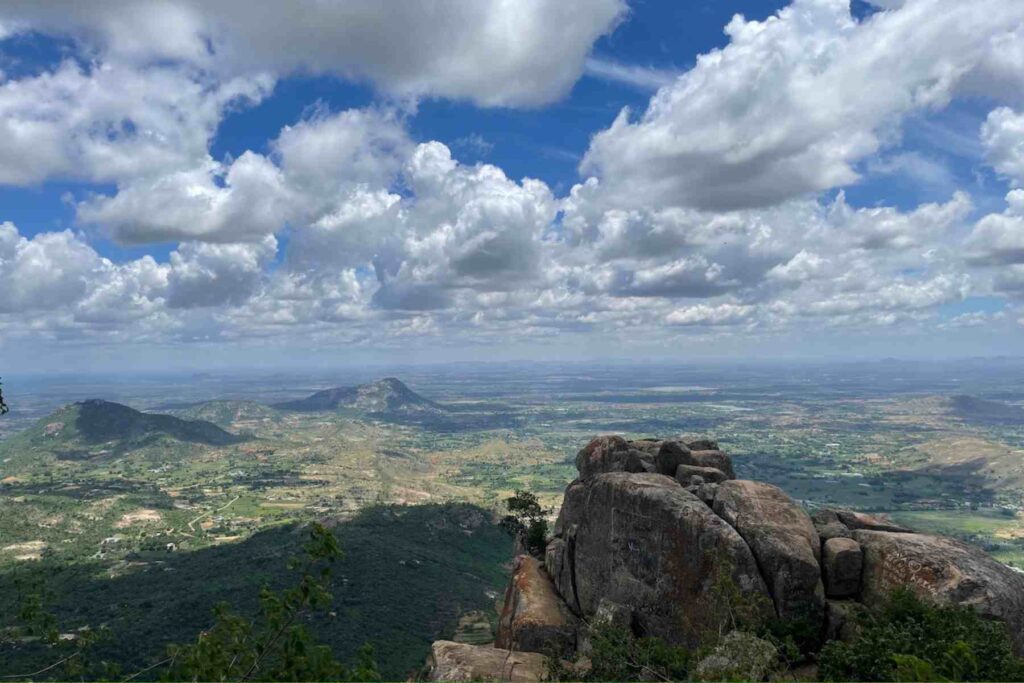
What makes it special is the wide, open feeling – Panoramic viewpoints, cool climate, and forest walks make it one of the coolest places in Andhra Pradesh during winter. The pleasant weather and easy accessibility make it a favorite for short family or friends vacations.

You don’t need tough treks; gentle walks along shaded paths let you enjoy crisp mornings and cool evening breezes. Sitting at a viewpoint, watching the horizon stretch far, can feel deeply refreshing.

Among hill stations in AP, Horsley Hills stands out for its sense of space and calm – no noise, no rush, perfect for anyone craving wide skies, fresh breezes to lift your mood naturally, and a break where the biggest plan is simply to soak in the serenity. Horsley Hills feels genuinely open and expansive.

Best time to visit: October to March for comfortable weather ideal for viewpoints, easy walks, and stunning sunrises/sunsets.

3. Lambasingi

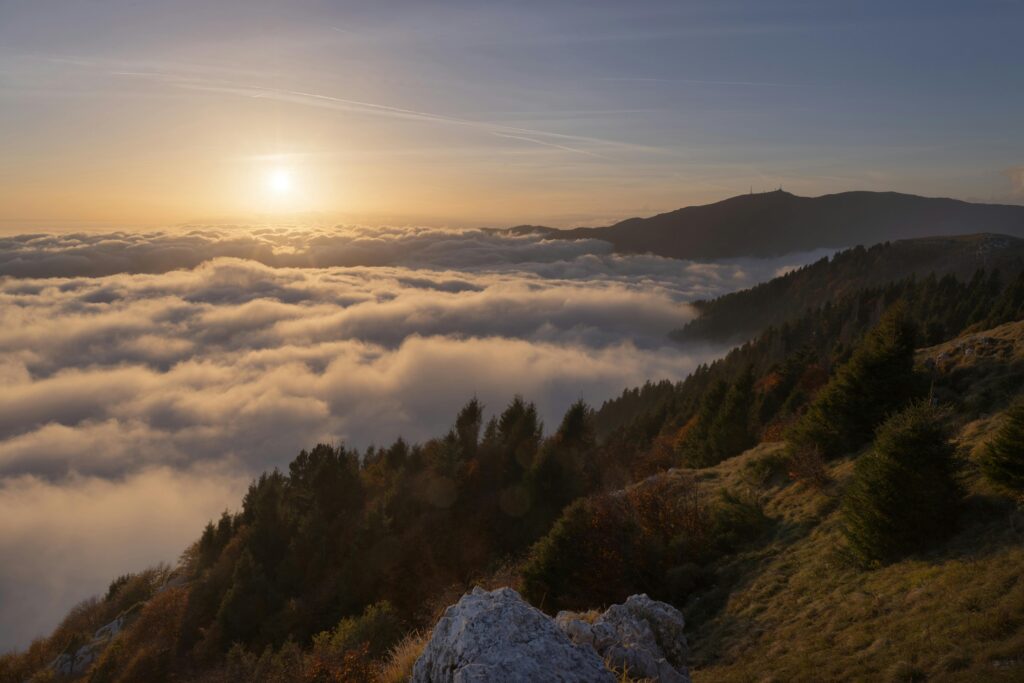
Lambasingi, nicknamed the “Kashmir of Andhra Pradesh,” is a peaceful village in theEastern Ghats, about 100 km from Visakhapatnam, sitting at around 1,000 meters elevation. Among hill stations in AP, Lambasingi is one of the coldest hill stations in AP during winter—temperatures can drop near freezing from November to January, bringing frost and thick morning fog that blankets the hills in a soft white haze.

Short nature walks take you through pine-scented forests to Kothapalli Waterfalls or the serene Thajangi Reservoir, where still waters reflect the surrounding slopes. Evenings are dark and quiet, perfect for easy stargazing. A hot cup of chai in the chilly air, with only the sound of wind and leaves, becomes the simplest joy.

The real magic of Lambasingi is the complete calm: Frosty mornings, fog-covered hills, and pine forests create a magical atmosphere. For travelers searching “Lambasingi temperature in winter” or “coldest place in AP,” this destination stands out.

In the end, Lambasingi leaves you with more than photographs – it leaves you with a softened pace of mind. Long after you return home, you remember the cool air against your face, the quiet roads, and the gentle stillness that seemed to slow time itself. It’s the kind of place that doesn’t try to impress loudly but stays with you quietly.

Best time to visit Lambasingi: November to January for the coldest, foggiest mornings; October or February for milder weather

4. Maredumilli

Maredumilli in East Godavari district is all about dense forests and real eco-tourism – It is one of the most natural and peaceful hill stations in AP for nature lovers.

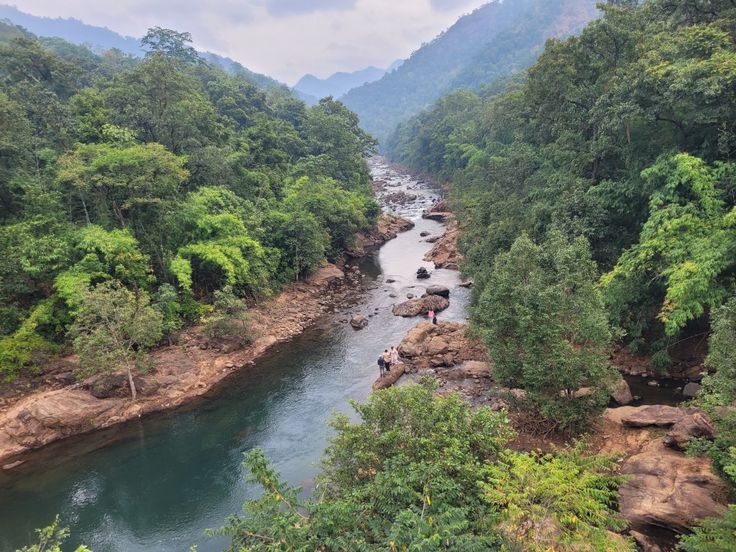
Thick greenery, bamboo groves, and clear streams over rocky beds surround simple eco-cottages that blend right into the landscape. Mornings often start with mist between tall trees and birds calling through the valley.

Waterfalls like Jalatharangini and Amruthadhara are highlights – water flowing smoothly over rocks with refreshing spray and quiet surroundings attract visitors looking for eco-tourism places in Andhra Pradesh. Short forest trails let you walk under shaded canopies, with chances to spot deer or hear monkeys overhead. Evenings can include eco-camping, small bonfires, and local dishes like bamboo chicken.

Tribal communities help keep the area preserved, so it stays authentic and low-key. There’s no rush or big crowds—just forest sounds, cool shade, and fresh air.

Maredumilli is perfect for anyone seeking peace, calm, and a deep connection with nature. It doesn’t rely on attractions or activities to impress visitors- the forest itself becomes the main experience.

Best time to visit Maredumilli: October to March, when trails are clear, and the climate is comfortable.

5. Nallamala Hills

Nallamala Hills are for people who love raw, wide-open nature. This huge forested range spreads across several districts and feels completely different from the small, neat hill stations. It’s wilder, deeper and perfect for long scenic drives and forest escapes.

The road to Srisailam passes through breathtaking greenery, making it one of the most scenic routes in Andhra Pradesh. It’s ideal for travelers searching for forest hill stations in AP for its tall trees closing in on both sides, occasional clearings revealing layered valleys and distant peaks. It’s the kind of drive where you can just sit back, let the green wash over you, and forget about time.

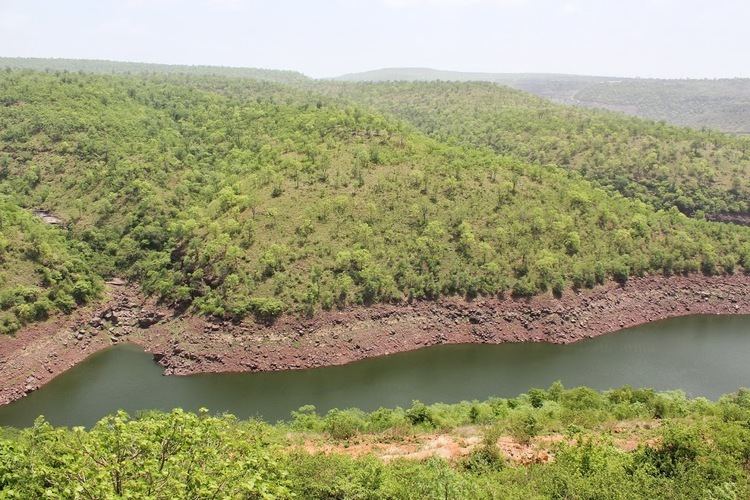
Srisailam sits right in the heart of Nallamala and adds its own charm. The route toward the dam is especially beautiful – hills rolling one after another, sky stretching wide above. Early mornings and late evenings feel especially quiet and untouched.

If you enjoy long forest drives, the smell of earth and leaves, and a slower, more grounded kind of travel, Nallamala gives you exactly that—no rush, no big crowds, just nature doing its thing.

Best time to visit Nallamala Hills: October to March — comfortable temperatures and the forest looks alive without being too hot.

6. Papikondalu

Papikondalu (Papi Hills), near Rajamahendravaram, is one of the most unique river-based hill stations in AP – shaped by the Godavari River cutting through lush hills, creating scenery that feels almost cinematic.

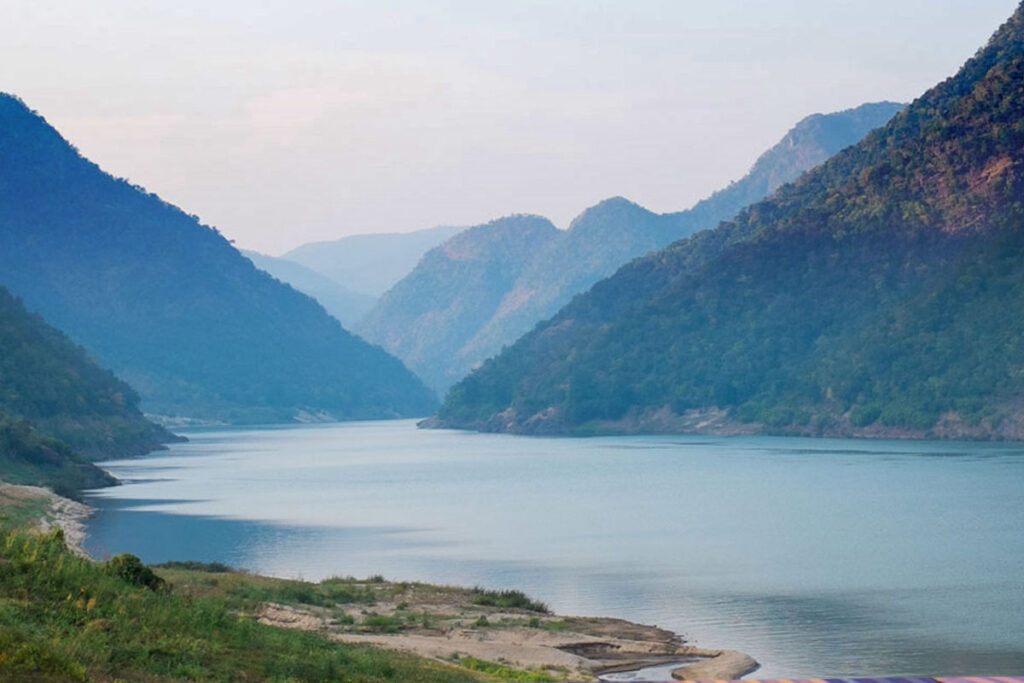
It is famous for its Godavari river cruise (book via Andhra Pradesh Tourism or private operators, online or at the riverfront). Boats glide through narrow gorges where forested hills rise steeply on both sides, with rocky cliffs, dense greenery, and occasional waterfalls. Calm stretches mirror the emerald hills perfectly. Mornings bring soft mist and golden light; afternoons show bold green-blue contrasts.

Double-decker boats have open decks, light meals, and relaxed pacing. Short stops at villages like Perantapalli add a touch of local life. Light forest trails are available if you want to walk.

The real charm of Papikondalu lies in its slow pace, while there are light forest trails for trekking. Travelers often search for “Papikondalu boat ride” or “Papikondalu package tour,” making it a strong ranking keyword. The combination of hills and river views makes it one of the most scenic weekend getaways in AP.

Best time to visit Papikondalu: October to January, when the weather is pleasant and river cruises operate smoothly after the monsoon.

7. Tirumala Hills

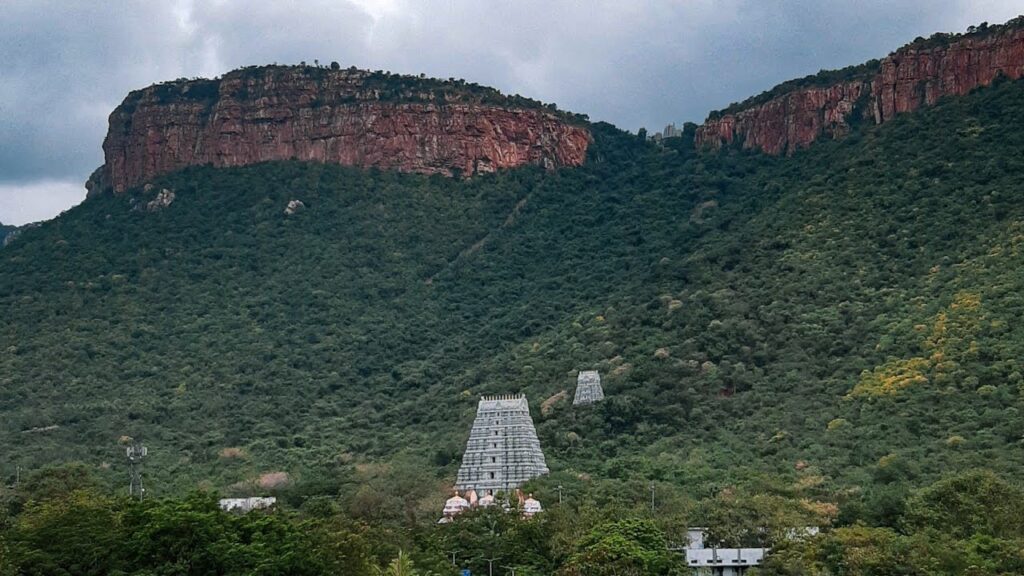
If you’re looking for a hill station in AP that feels both sacred and soothing, Tirumala is hard to beat. Nestled in the Chittoor district within the Seshachalam range, Tirumala Hills is not only a spiritual destination but also one of the most visited hill stations in Andhra Pradesh.

The drive up the ghat road is part of the magic curving through thick green slopes, with fresh breeze coming in through the windows and wide valley views opening up every few bends. Many people prefer the old footpath instead, turning the journey into something peaceful and meaningful, step by step.

Everyone knows the Sri Venkateswara Temple, but the hills combines scenic beauty with devotion. Many travelers visit for darshan and enjoy the cool climate and peaceful hill atmosphere. Little spots like Akasa Ganga waterfall and the natural rock arch at Silathoranam add a gentle, scenic touch without the crowds.

What makes Tirumala special isn’t just the views – it’s the feeling of stepping away from everyday noise, finding a moment to breathe, reflect, and feel a little lighter.

Best time to visit Tirumala Hills: September to February.

Why Hill Stations in AP Are Perfect for Weekend Trips?

  • Short trips to hill stations in AP are not only about sightseeing. They also support emotional well-being. Nature exposure has been shown to reduce stress levels and improve mood. Being surrounded by greenery and open spaces can help lower mental fatigue caused by constant screen time.
  • A weekend spent in cool weather, breathing fresh air and walking through natural landscapes, allows your mind to reset. Many travelers return feeling lighter, clearer, and more focused.
  • Even small experiences – watching sunrise over a valley, listening to river sounds, or sitting quietly under tall trees can leave a lasting positive impact.
  • These hill stations in AP offer the perfect balance of scenic beauty, cool climate, and peaceful surroundings. Whether you’re planning a short family vacation, a romantic trip, or a solo escape, these best hill stations in Andhra Pradesh provide refreshing weekend getaways in AP without long travel distances.
  • From the coffee plantations of Araku to the frosty mornings of Lambasingi and the river cruises of Papikondalu, each destination has its own charm. If you’re searching for hill stations in AP for a 2-day trip, these places are ideal choices.

Tips for Visiting Hill Stations in AP

  1. Plan Your Trip Around Weather: Most hill stations are best visited from October to March when the weather is pleasant. Avoid the peak monsoon season for ease of travel and safer trekking conditions.
  2. Travel Light: Hill stations involve some walking and exploring, so pack comfortable clothing and shoes.
  3. Try Local Food: Each region has its own specialty. Araku coffee and local tribal snacks are worth tasting.
  4. Stay Close to Nature: Opt for eco-stays, cottages, or homestays rather than large hotels to experience a more authentic environment.
  5. Respect Local Culture: Many of these areas have tribal communities. Be mindful, ask before photographing, and support local artisans.